
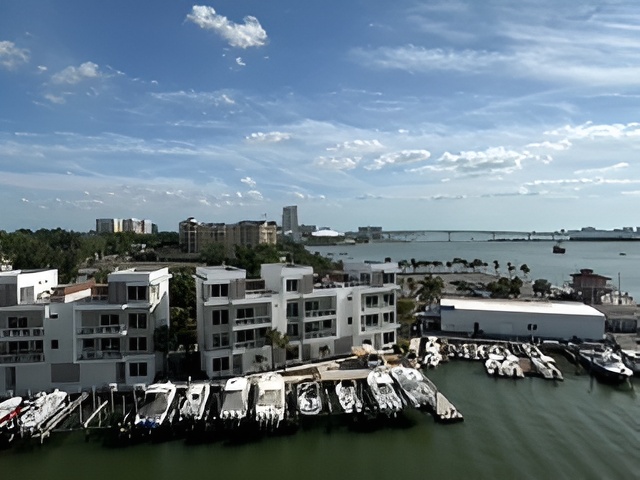
Condo Inspection
Buying a condominium is a different transaction than buying a single-family home — and inspecting one requires a different approach. The condominium association is responsible for the roof, building exterior, common areas, and shared systems. What you own is everything inside your unit. A condo inspection by Inspect-O-Graff focuses on what you are actually purchasing — the unit itself — while also documenting any visible exterior conditions, window and door performance, and signs of water intrusion that directly affect your investment.
What a Condo Inspection Covers
Interior Unit Systems Everything within the unit is inspected the same way a full home inspection covers a single-family residence:
Electrical
Panel, outlets, GFCI protection, fixtures, and visible wiring
Plumbing
Supply and drain systems, fixtures, water heater, shutoff valves, and functional drainage test
HVAC
Equipment operation, air handler, ductwork, and ventilation
Interior finish
Drywall, flooring, cabinetry, countertops, trim, and doors
Appliances
Dishwasher, washer/dryer connections, and major appliances
Windows, Doors & Balcony Windows and exterior doors are one of the most critical inspection items in a condo — particularly in Florida's coastal environment. Every window and door is tested for operation, inspected for seal integrity, and checked for signs of water intrusion at the frame, sill, and surrounding wall assembly. Infrared thermal imaging and moisture meters are used at all windows and doors to identify active or historic moisture intrusion that may not be visible to the naked eye. Balcony conditions, railings, and transitions are documented where accessible.
Visible Exterior Conditions While the building exterior is the association's responsibility, visible exterior conditions that affect your unit are documented. Cracks in the exterior wall assembly, staining patterns indicating water pathways, and window or door frame conditions visible from the unit or balcony are noted. These items may be the association's responsibility to repair — but they are your right to know about before closing.
Water Intrusion & Microbial Growth Water intrusion in a condominium setting can be particularly difficult to resolve — it may originate from the unit above, from a compromised exterior wall assembly, or from a failed window or door installation. Signs of active or historic water intrusion, staining, efflorescence, and microbial growth are documented throughout the unit with infrared thermal imaging used to identify moisture in wall and ceiling assemblies that visual inspection alone would miss.

A Note on Structural Observation — The Surfside Context
The 2021 collapse of Champlain Towers South in Surfside, Florida brought national attention to the structural condition of aging Florida condominium buildings. While a condo unit inspection is not a structural engineering assessment — and cannot substitute for one — Steve does perform a visual observation of the building exterior and any accessible common areas for signs of unusual cracking, spalling concrete, exposed reinforcing steel, or visible structural deterioration that warrant further investigation.
A full structural assessment of a condominium building is outside the scope of a unit inspection and requires a licensed structural engineering firm engaged through the condominium association. Florida law now requires periodic structural inspections of older condominium buildings under the Condominium Safety Law — if you have concerns about the structural condition of the building you are purchasing into, those questions should be directed to the association and their engineering records before closing.
What Steve can do is identify visible warning signs during the inspection and clearly document them — giving you the information you need to ask the right questions before keys change hands. As a Florida Licensed Commercial Building Inspector and Licensed Residential Contractor, Steve brings a level of construction and code knowledge to a condo inspection that goes well beyond a standard home inspection license — particularly relevant when evaluating multi-story concrete construction, exterior wall assemblies, and building envelope conditions.
A Note on Credentials Condo inspections are performed under Steve's Florida Licensed Home Inspector, Florida Licensed Commercial Building Inspector, and Licensed Residential Contractor credentials — giving him a broader evaluation framework than a standard home inspection license permits, particularly relevant for multi-story and high-rise condominium construction.
What a Condo Inspection Does Not Cover
Roof
The association's responsibility. Not included in a unit inspection
Building Exterior in Detail
Visible conditions are noted but a full building envelope assessment requires engineering
Common Areas and Shared Mechanical Systems
Pool, elevators, parking structures, and common HVAC are the association's responsibility
Full Structural Engineering Assessment
Requires a licensed structural engineer engaged by the association
If you want to understand the condition of these building systems before purchasing, request the association's most recent structural inspection report, reserve fund study, and any outstanding violation or repair notices. Your real estate agent or attorney can assist with obtaining these documents.
What to Expect Most condo inspections take between 1.5 to 3 hours depending on unit size and condition. Your report is delivered in HTML and PDF format through Spectora, typically within 24 to 48 hours of the inspection. Infrared thermal imaging and moisture meters are included at no additional charge — particularly important in a condo setting where water intrusion from adjacent units or building envelope failures may not be visible without thermal imaging.